

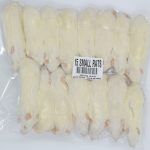



Small Rats – Regular Price – $2.99
25 – 30 days old.
Recommended for: Snakes, birds of prey, large reptiles, amphibians, and exotic carnivorous pets
Safer alternative to live feeding: Frozen/thawed feeders help reduce the chance of injury during feeding sessions
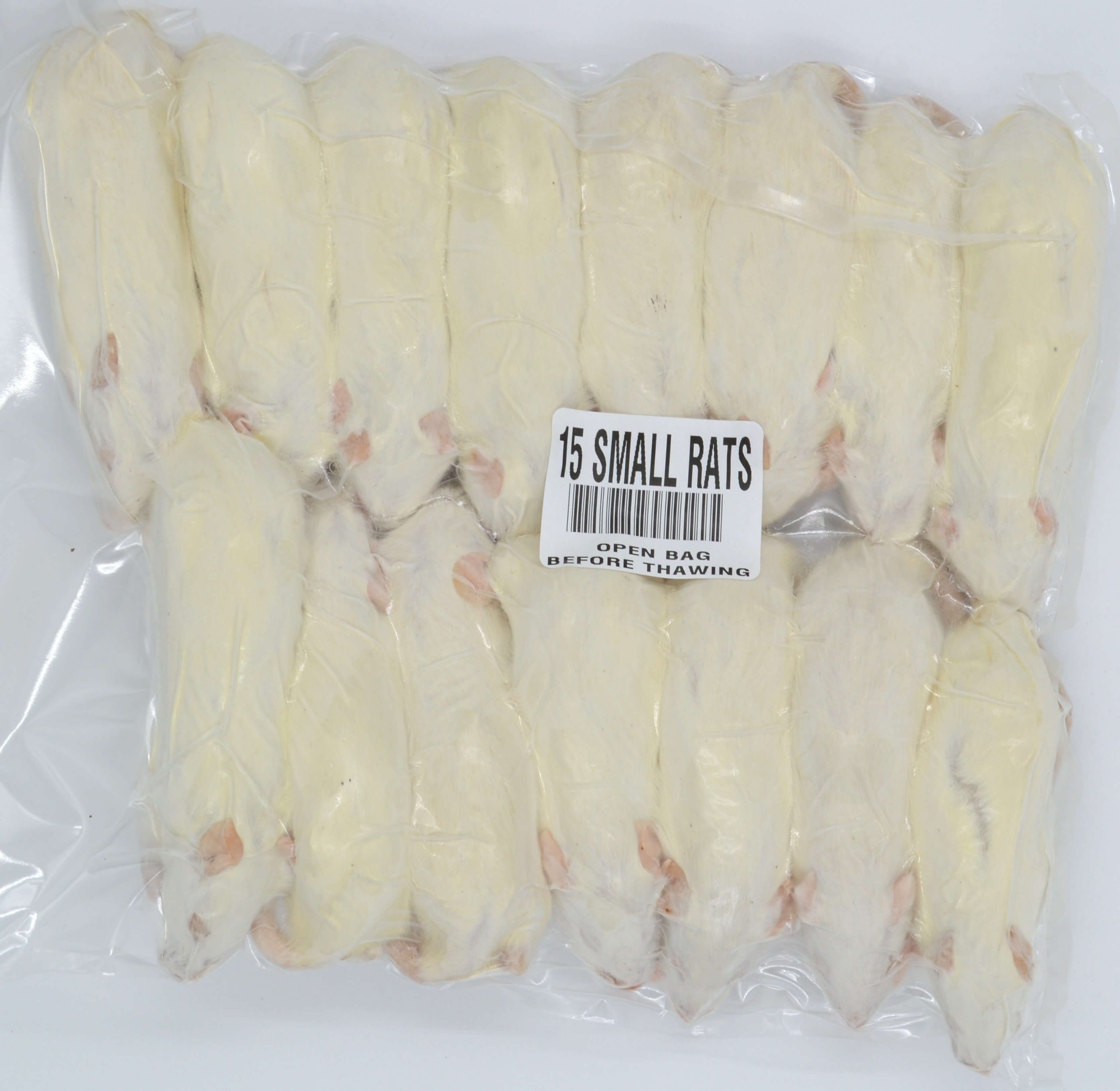
Quantity per package: 15 Small Rats per bag
Coat type: White, Fully Furred
Size range: 9 sizes available, from Pinky to Colossal rats
Age: 25- 30 days old
Individual Weight: 46 - 84 g
Bag Weight: 690-1260 g
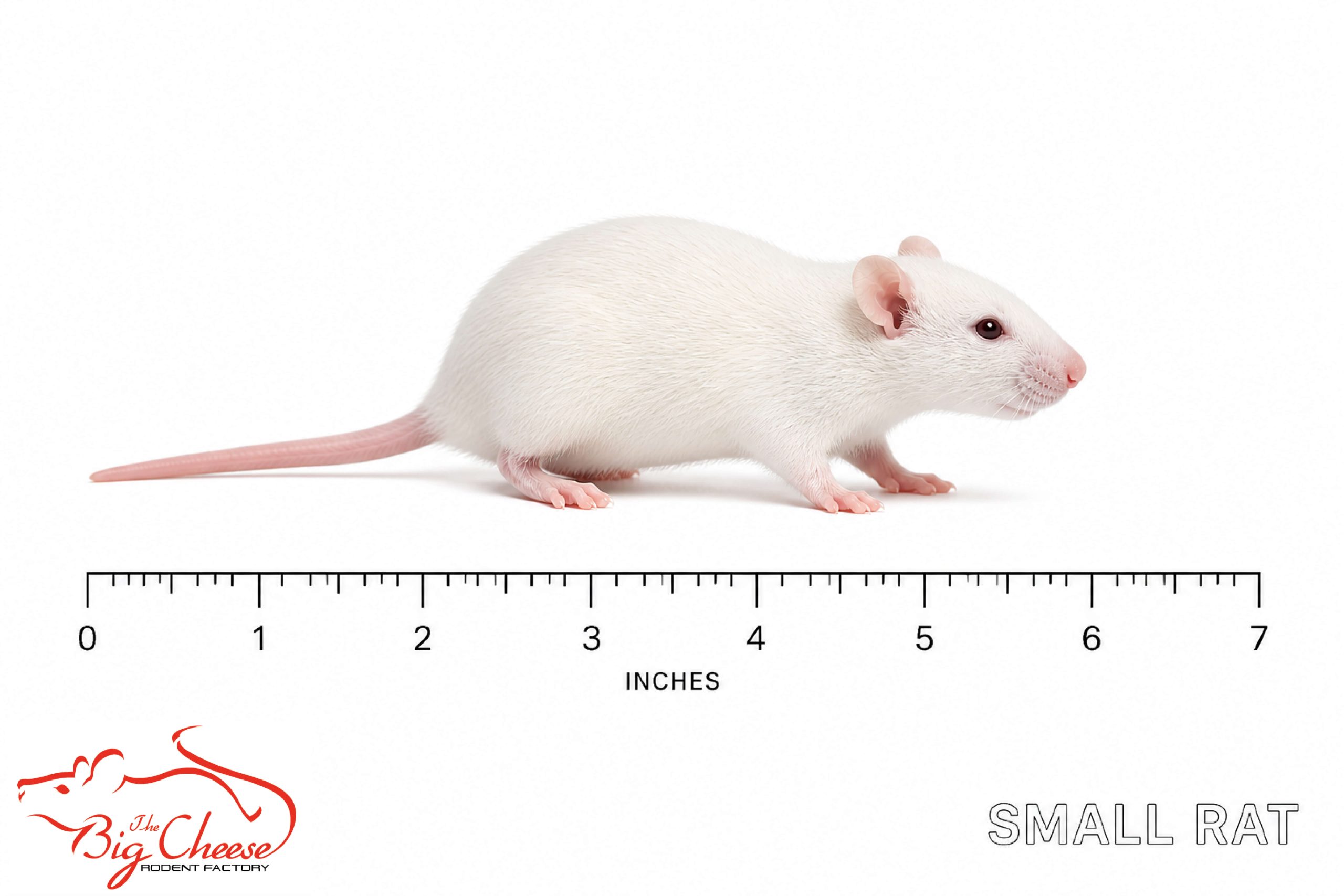
Length (head & body): 4.5 - 6.0 inches
Quantity in packs: 15 pieces
Fur Condition: Fully furred
Storage Instructions: Keep frozen until ready for the thawing process
Feeding Style: Frozen / Thawed whole prey feeder rats
Development Stage: Juvenile stage / Rapid skeletal growth phase
| Stage | Weight |
|---|---|
| Pinky Rats (1-4 days old) | 3.0 - 9.99 g |
| Fuzzy Rats (9 - 12 days old) | 10 - 18 g |
| Pup Rats (13 - 19 days old) | 19 - 29 g |
| Weaned Rats (20 - 24 days old) | 30 - 45 g |
| Small Rats (25 - 30 days old) | 46 - 84 g |
| Medium Rats (42 - 60 days old) | 85 - 149 g |
| Large Rats (42 - 60 days old) | 150-279 g |
| Jumbo Rats (6-8 months old) | 280-399 g |
| Colossal (9-12 months old) | 500 - 800 g |
Feeding tip: Choose a feeder approximately equal to the widest portion of your reptile's body. When unsure, selecting a slightly smaller feeder is often recommended to prevent regurgitation and keep feeding stress-free.
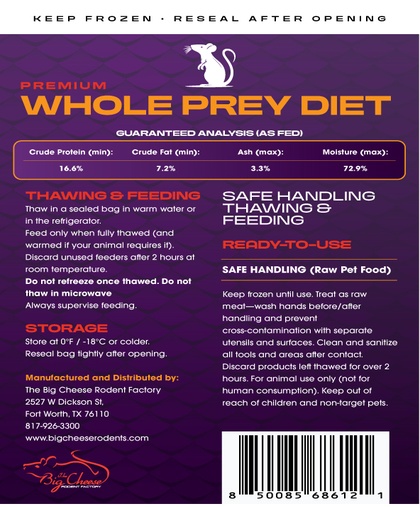
Flash frozen: Quickly frozen after processing to help retain freshness and nutritional quality
packaging shelf life: Food-grade vacuum-sealed bags to minimize freezer burn and extend
Diet: Raised on scientifically formulated feed designed to support health and nutritional value
Size accuracy: Each unit is individually weighed for consistent, reliable sizing
Euthanasia method: CO₂ euthanasia process following AVMA guidelines
Insulation system: High-performance encapsulated fiberglass insulated blanket
Handling environment: Processed in a sanitary, professionally managed facility
Irradiation: Treated by irradiation for added safety for you and your pet
Shipping carrier: FedEx Ground
Delivery method: Shipped with dry ice to ensure the product stays frozen in transit
Availability: In stock year-round with a consistent nationwide supply
Shipping details: Orders received before 8:00 AM CST on Monday will ship that same Monday
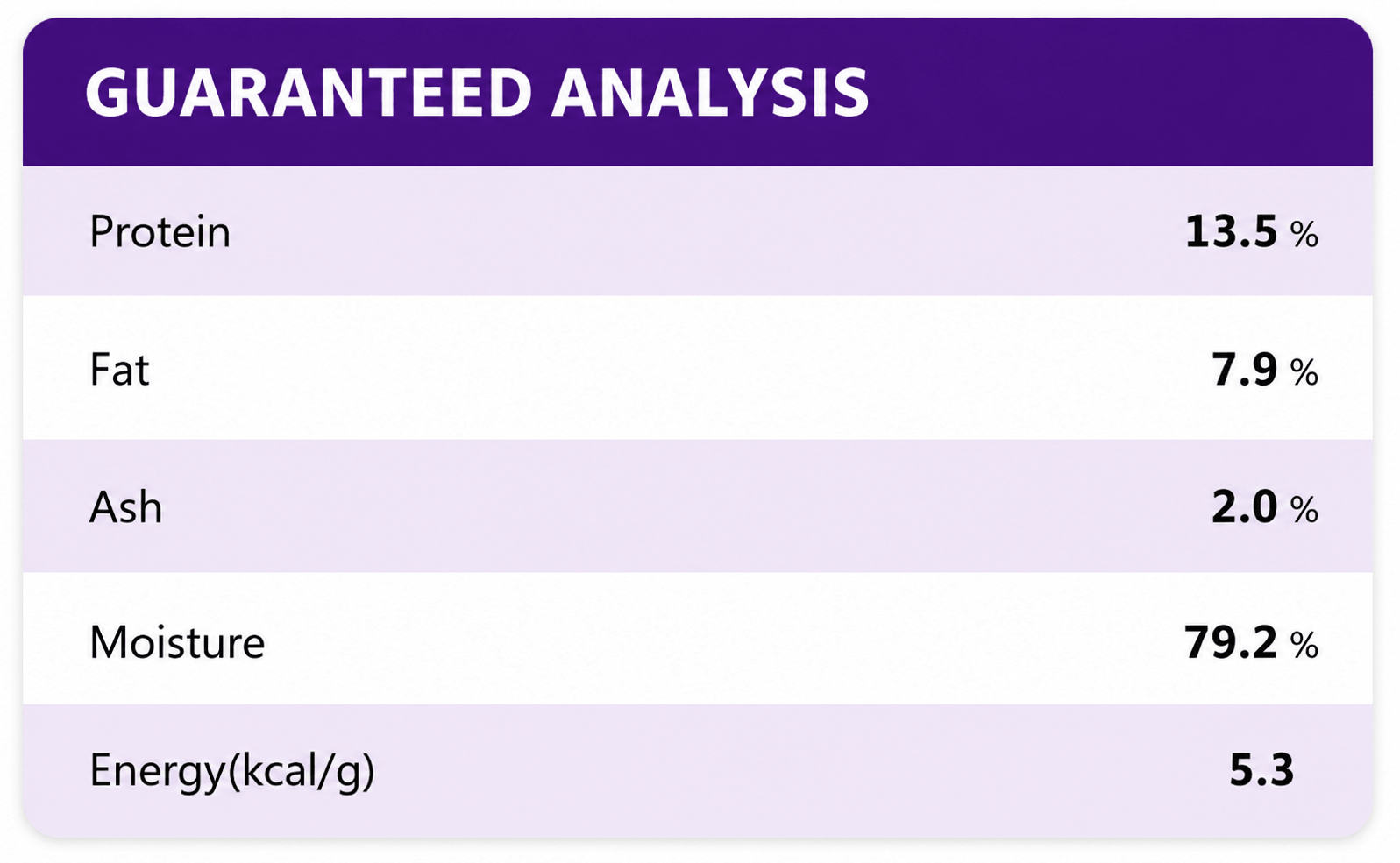
| Nutrient | Percentage |
|---|---|
| Protein | 17.8% |
| Fat | 7.9% |
| Ash | 3.5% |
| Moisture | 70.2% |
| Energy (kcal/g) | 6.4 |


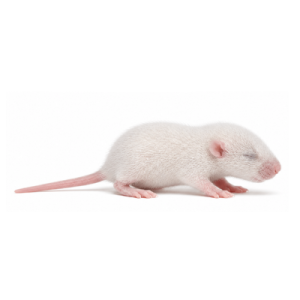

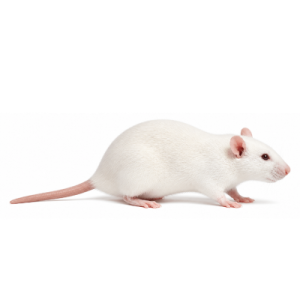
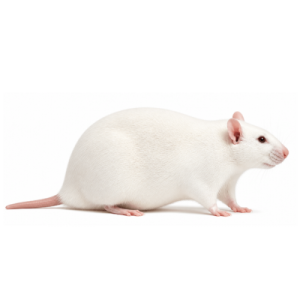
Yes. Small rats include muscle tissue, organs, and bone, offering a complete prey option that many reptile keepers use to support natural feeding habits and balanced nutritional intake for carnivorous exotic pets.
Many owners choose frozen feeders because they are more convenient to store and can reduce the risk of injury to reptiles. Properly prepared frozen prey makes it easier to plan portions during feeding routines.
Yes. Offering prey that matches the reptile’s body size is important for healthy digestion and feeding comfort. Appropriately sized feeders can help reduce regurgitation risks and support smoother meal processing.
Feeding tongs and preparation surfaces should be washed thoroughly with warm water and antibacterial soap after handling raw prey. Maintaining clean feeding equipment helps support safer reptile care and hygienic food preparation practices.
Many reptiles naturally reduce feeding activity before or during shedding. Temporary appetite changes are common and often improve once the shedding process is complete and the animal returns to its regular behavior patterns.
This was the first time I have ordered from your company as well as ordering frozen mice/rats through the mail. I am so impressed with the shipment, packing, and the way the mice/rats are packaged. I have not opened them yet, but they appear to be very fresh. The Go Herping channel on Youtube highly recommended your company. I look forward to trying out your products on my milk snake and ball python. With the way you took such care in the packing of the rodents, as well as the packing/shipping, I am quite sure I will be very pleased. Thank you so much and have a wonderful afternoon.
I placed my order and received my order in perfect condition. Thanks for your help, looking forward to doing more business with you in the future.
We received the mice last week and are very happy with them. Thanks a lot for making this so easy, and I’ll be happy to give you my business when we need feeders in the future.
I just received my package in the mail today. Thank you for your fast response and quick shipping. The product arrived in excellent condition.
I just had to stop in the middle of a feeding session to thank you. Just as food and water are the staples of human life, of course rodents are the sole foundation of my career. I have been impressed lately with the quality of your rodents. Not just lately, but all along. It just […]
- Don
Read More
© 2026 Big Cheese Rodent Factory. All rights reserved.