
Many captive carnivorous and omnivorous animals are routinely fed frozen or thawed foods, such as meat, meat-based products, and whole prey items. Since the availability of food is crucial for captive animals, most purchases are made in bulk, requiring items to remain frozen and stored until use.
Given the perishable nature of meat, proper storage, handling, and thawing of frozen feeder animals are essential for maintaining nutritional quality, preventing contamination, and protecting both animal and human health. Whether you feed frozen feeder mice, frozen rats, day-old chicks, quail, rabbits, or other whole-prey items, following proper food safety procedures helps ensure safe and successful feeding.
Proper Storage of Frozen Feeder Animals
Frozen feeder animals are perishable food products. Once a frozen food shipment has been received, it should be immediately inspected and stored in the freezer. Improper storage or handling can affect:
- Nutritional quality
- Food safety
- Animal health
- Feeding success
- Risk of bacterial contamination
It is recommended that meat stored for long periods, i.e., up to a year, should be stored in a freezer with temperatures maintained at –10°F or lower. To ensure freshness, always use food items on a first-in, first-out basis. Using proper frozen feeder handling practices helps preserve freshness while reducing the risk of illness for both animals and caretakers.
Frozen Feeder Safety: Protecting Yourself from Contamination
Frozen animal food can carry germs that can make people sick. Freezing does not always kill these germs. Avoid handling frozen animal food if you are at greater risk of serious illness.
Frozen Feeders Can Carry Bacteria
Like raw meat products, frozen feeder animals may contain bacteria that can cause illness in people. It is important to understand that freezing does not eliminate all germs. Extra caution should be used by:
- Children 5 years old or younger
- Pregnant women
- Individuals with weakened immune systems
These groups have a higher risk of serious illness from bacterial exposure.
Personal Protective Equipment (PPE) Recommendations
When handling frozen feeder animals, consider using:
- Disposable latex gloves
- Nitrile gloves
- Protective masks when appropriate
Using protective equipment helps reduce direct exposure during handling and cleanup.
Hand Washing & Sanitation Procedures
Always wash your hands immediately after:
- Handling frozen feeders
- Touching packaging
- Cleaning feeding equipment
- Contact with thawing containers
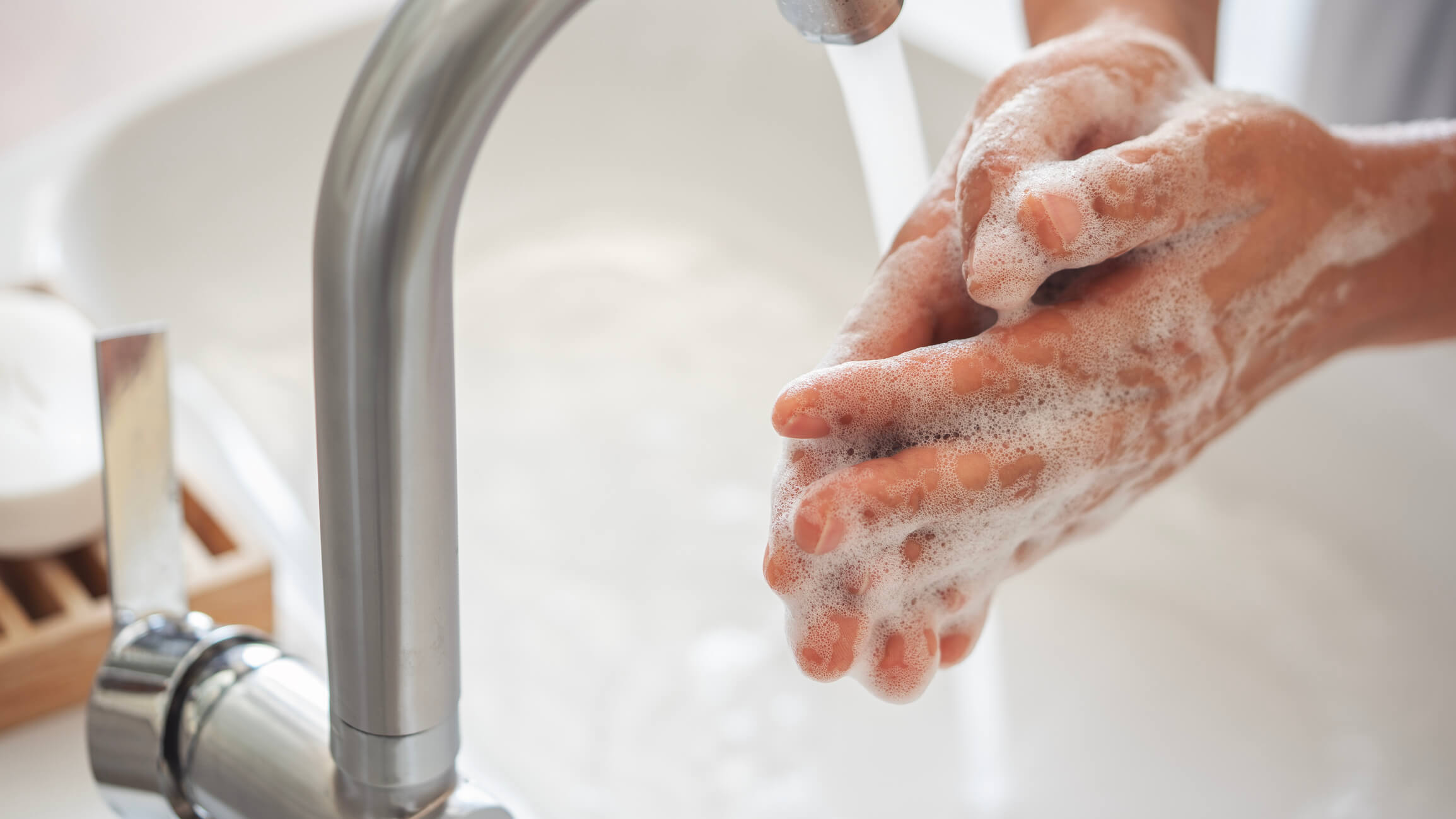
After washing and drying your hands, an alcohol-based hand sanitizer may provide additional protection.
Cleaning and Sanitizing Feeding Equipment
All equipment used for feeding should be cleaned and disinfected after every use, including:
- Feeding tongs
- Forceps
- Feeding bowls
- Storage containers
- Tables and work surfaces
- Feeding stations
Sanitize by:
- Washing with hot water of 180°F or higher utilizing soap or detergent, or
- Washing all soiled surfaces with a detergent solution, followed by a final sanitizing rinse of 1 part bleach to 9 parts water
Never Handle Frozen Feeders Around Human Food
Frozen feeder animals should always be kept separate from food intended for human consumption.
Avoid:
- Kitchen sinks
- Food preparation counters
- Dining areas
- Refrigerators that are used for human food, whenever possible
Never:
- Eat
- Drink
- Smoke
while handling frozen feeder products.
The Safest Way to Thaw Frozen Feeders
The thawing process is crucial to the product’s final quality. The safest and most preferable way to thaw frozen animal food is in a refrigerated space at 40°F.
Frozen animal food should not be thawed by exposure to excessive heat, such as:
- Microwaves
- Hot water
Never use the kitchen sink, food preparation areas, or direct heat sources to thaw frozen animal food. These methods can:
- Encourage bacterial growth
- Damage tissue quality
- Reduce nutritional value
- Create uneven thawing
Do Not Refreeze Uneaten Frozen Feeders
If a food item is uneaten for any reason, it should be discarded.
Do not be tempted to:
- Refreeze uneaten items
- Offer uneaten items to other captive animals
This is an excellent way to transfer disease between animals.
Frozen Feeder Handling Best Practices
Following proper frozen feeder storage and handling procedures helps maintain nutritional quality while reducing contamination risks. Key reminders are:
- Store frozen feeders immediately after delivery
- Maintain freezer temperatures at –10°F or lower
- Rotate inventory using first-in, first-out practices
- Wash your hands thoroughly after handling
- Sanitize feeding tools and surfaces after each use
- Thaw only in refrigerated conditions
- Never use a microwave or hot water for thawing
- Never refreeze thawed or uneaten feeders
Final Thoughts
When an instance of contamination is reported, it is found that the victims have failed to exercise due care in their actions. Proper storage, handling, sanitation, and thawing practices help preserve the quality of frozen feeder mice, frozen rats, chicks, quail, rabbits, and other whole-prey feeders. By following these safety guidelines, you can help keep both yourself and your captive animals safe and healthy while ensuring your reptiles and carnivores receive risk-free, nutritious meals every time.
Leave a Reply